
Next Stop, el Caribe: Rauw Alejandro Live at Forest Hills


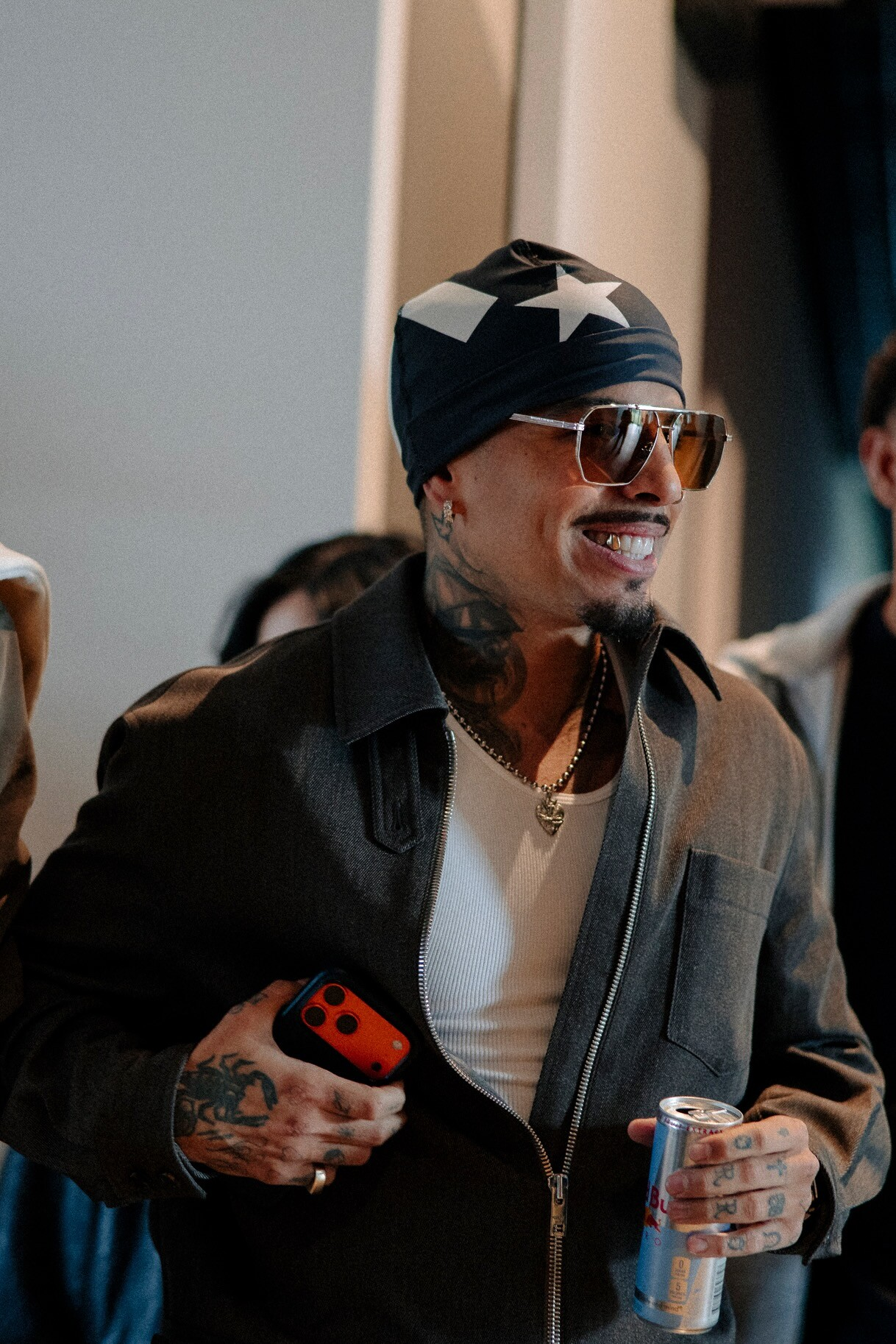
Photo: Maria Jose Govea / Red Bull Content Pool
This September, Rauw Alejandro transformed Queens into a piece of the Caribbean. Across two back-to-back sold-out nights at Forest Hills Stadium, the Puerto Rican superstar headlined the global debut of Red Bull Chapters, a three-act concert depicting the story of an artist from their very beginnings. With 13,000 fans packed into the stadium on opening night, Rauw brought the spirit and rhythms of the island to New York. His message came through loud and clear: these two nights were more than just a concert. They were a celebration of culture.
The show encompassed three eras of the Latin Grammy-winning singer. Chapter One: Inspiration marked an opening sequence grounded in Puerto Rico’s Taíno and African roots before Rauw sang early favorites like “Toda” and “Dream Girl” and closed with the act of “Carita Linda.” Chapter Two: Momentum traded perreo for power chords. With a full live band in accompaniment, Rauw sang “Baby Hello,” closing the song with a nod to Paramore as the crowd echoed a wave of hellos right back at him. Chapter Three: Legacy shifted to a second stage at the back of the stadium for a final stretch of party anthems, with surprise guest appearances from Chencho Corleone and Tainy.
Between the adrenaline rush of fireworks and dance breaks, Rauw paused to speak directly to the diaspora in the crowd:
“La vida a veces nos lleva bien lejos de casa. Muy lejos de casa.
A veces no visitamos a los abuelos por dos, tres años.
Yo entiendo.
Pero nunca te puedes olvidar de dónde tú eres.”
(“Life sometimes takes us really far from home. Very far from home.
Sometimes we don’t visit our grandparents for two, three years.
I get it.
But you can never forget where you’re from.”)
For a stadium full of New Yorkers with Latin American and Caribbean origins, that speech hit home. And it’s that same message that runs through his 2025 album Cosa Nuestra: Capítulo 0, a love letter to el Caribe, transcending the conventions of mainstream Latin music to honor the roots of bomba and plena.
One of the album’s standouts, “Carita Linda,” features vejigantes: folkloric, mischievous characters typically portrayed in Puerto Rican festivals and carnivals by people in vibrant masks and kaleidoscopic costumes. The word vejigante combines the Spanish words vejiga and gigante, which translates to bladder giant. During Puerto Rico’s festivities, the vejigantes playfully use an inflated, cleaned, and colorfully painted cow bladder to playfully “bonk” viewers. The tradition originated in Spain during the Middle Ages, originally intended as a celebration prior to Lent, and as a scare-tactic on churchgoers to repent. Upon its arrival in the island, however, its meaning was reshaped by the Taínos (i.e. the indigenous Arawakan people who inhabited much of the Caribbean) and enslaved Africans, transforming the vejigante into a symbol of defiance and cultural revival.
By instilling vejigantes at the center of “Carita Linda,” Rauw reclaims a centuries-old symbol of resistance to a new generation of listeners, many of whom were unfamiliar with the masks before the music video. The vejigantes coupled with the song’s bomba rhythms remind us of the resiliency that continues to live on in Latin and Caribbean communities everywhere. Although not every song from the album made the setlist, that same spirit is still present in the rest of Cosa Nuestra. On “Caribeño,” Rauw collaborates with Saso – who was raised in the Bronx – for a roll call on the entire Caribbean, from Puerto Rico to Cuba to the Dominican Republic, and more.
On stage in Queens, that cultural history came to life. With live drummers and vibrant visuals keeping the island front and center, Rauw showed that remembering where we come from is what keeps us grounded, regardless of how big our dreams get. For the thousands of fans who came from all parts of Latin America and el Caribe, his message rang true even after the music stopped. Wherever life may take us, our roots are ours to carry.